The Centers for Advanced Orthopaedics is redefining the way musculoskeletal care is delivered across the region with locations throughout Maryland, DC, Virginia and Pennsylvania.
July 1, 2026
Why Young Female Athletes Are More Prone to Stress Fractures
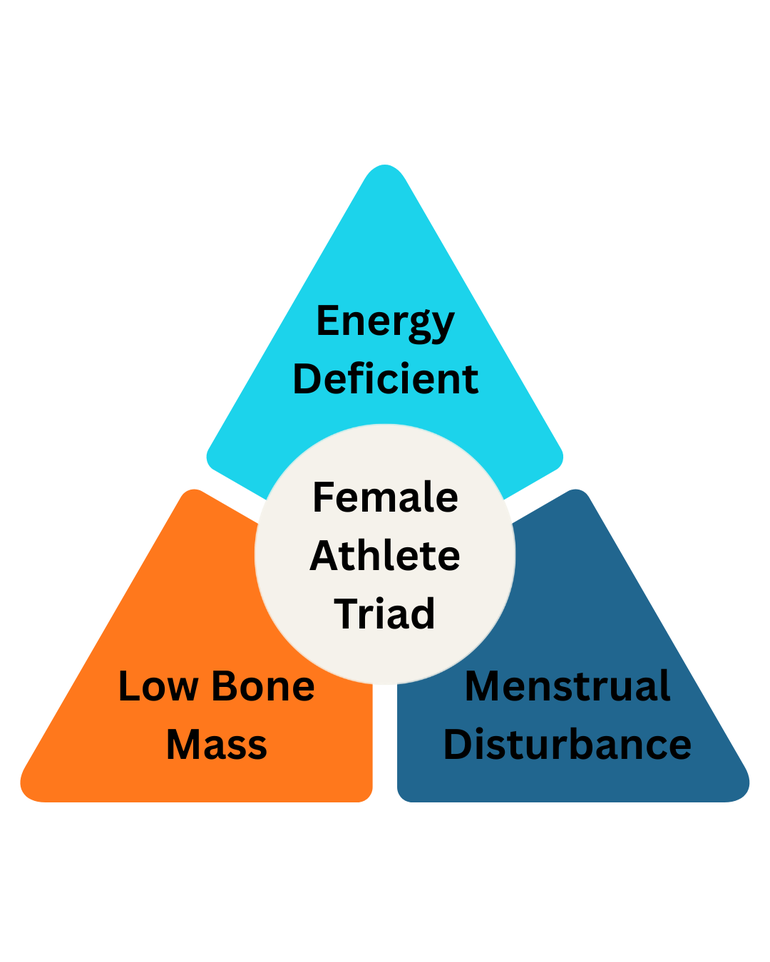
Recently, we've seen an increase in young female athletes—especially runners—developing stress fractures in their feet. While stress fractures can affect anyone, young women are at a higher risk than their male counterparts due to a well-recognized condition known as the Female Athlete Triad (a subset of RED-S).
The Female Athlete Triad consists of three interconnected conditions:
Low Energy Availability
This occurs when the body isn't receiving enough calories to support both daily functions and physical activity. In other words, energy expenditure exceeds energy intake.
Menstrual Dysfunction
When the body lacks sufficient energy, hormone production can be disrupted, leading to irregular or absent menstrual periods (amenorrhea).
Low Bone Mineral Density
Reduced estrogen levels associated with menstrual dysfunction can decrease bone density, making bones weaker and significantly increasing the risk of stress fractures.
These three conditions often occur together, but even one component of the triad can increase an athlete's risk for developing stress fractures.
Where Do Stress Fractures Commonly Occur?
Stress fractures related to the Female Athlete Triad most commonly affect:
- The 2nd and 3rd metatarsals
- The navicular bone (a particularly high-risk fracture that is sometimes missed and often requires more aggressive treatment)
- The calcaneus (heel bone)
- The fibula
- The tibia
- The sesamoid bones, which are especially common in ballet dancers and sprinters
Who Is Most at Risk?
Certain sports place athletes at a greater risk, particularly those involving repetitive impact or high training volumes, including:
- Distance running
- Ballet and dance
- Gymnastics
- Soccer
- Basketball
- Military recruits during basic training
Additional Risk Factors
While the Female Athlete Triad is one of the most significant risk factors, several other factors can contribute to stress fractures, including:
- Increasing training intensity or mileage too quickly
- Returning to sports too soon after an injury
- Training on hard surfaces
- Wearing worn-out or improper footwear
- High arches or flat feet
- Overpronation
- Leg length differences
- Low vitamin D levels
- Inadequate calcium intake
- Delayed onset of puberty
Diagnosis and Treatment
Early diagnosis is essential. Although X-rays are often the first imaging study performed, they may appear normal during the early stages of a stress fracture. An MRI is typically the most sensitive imaging test for detecting these injuries early.
Treatment depends on the location and severity of the fracture. High-risk stress fractures, such as those involving the navicular or sesamoid bones, may require:
- Non-weight-bearing with crutches or a boot
- A longer recovery period
- In some cases, surgery
Equally important is addressing the underlying causes of the Female Athlete Triad. Proper nutrition, restoring normal menstrual function, improving bone health, and modifying training can help prevent future injuries and support long-term athletic performance.
When Should You See a Specialist?
If you're experiencing persistent foot or ankle pain during activity, pain that worsens with exercise, or swelling that doesn't improve with rest, don't ignore it. Early evaluation can help prevent a small stress injury from becoming a more serious fracture.
If you think you may have a stress fracture or have concerns about the Female Athlete Triad, schedule an appointment with one of our foot and ankle specialists. Early diagnosis and treatment can help you recover safely and get back to doing what you love.